
degrees in sports nutrition
Degrees in sports nutrition
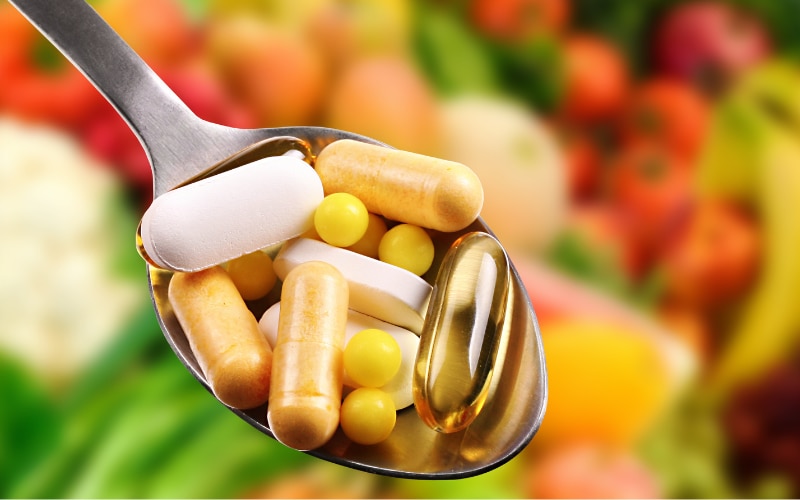
Protein helps prevent muscle breakdown and promotes muscle growth. In fact, research shows that protein supplements facilitate muscle repair, mitigate muscle damage markers during recovery and reduce inflammatory responses in the body https://steelglassconsulting.com.
Three out of the nine essential amino acids have a chemical structure involving a side-chain with a “branch”, or a central carbon atom bound to three or more carbon atoms. These three amino acids, leucine, isoleucine, and valine, are called branched-chain amino acids (BCAAs). They can be obtained from protein-rich foods such as chicken, red meat, fish, and eggs, and are also sold as dietary supplements in powdered form. BCAAs are key components of muscle protein synthesis, and research has shown that leucine in particular drives protein synthesis and suppresses protein breakdown. Although short-term mechanistic data suggests that leucine plays an important role in muscle protein synthesis, longer-term trials do not support BCAAs as useful workout supplements. For example, a trial of leucine supplementation during an 8-week resistance training program did not result in increased muscle mass or strength among participants. Studies have generally failed to find performance-enhancing effects of BCAAs such as accelerated repair of muscle damage after exercise.
Researchers are still studying the effectiveness of this claim, but there are no negative side effects to eating gelatin. It’s recommended to eat gelatin after you exercise. You can eat 15g or mix 1.5 tablespoons of gelatin with liquid to drink.
Recommended levels of daily protein intake for the general population (0.8 grams of protein for every kilogram of body weight, or about 7 grams of protein every day for every 20 pounds of body weight) are estimated to be sufficient to meet the needs of nearly all healthy adults. Recommendations for protein supplementation during exercise vary based on the type of exercise being conducted: endurance training (e.g., long-distance bicycling) or resistance training (e.g., weight lifting). Very few studies have investigated the effects of prolonged protein supplementation on endurance exercise performance. A review conducted by the International Society of Sports Nutrition found that protein supplementation in the presence of adequate carbohydrate intake does not appear to improve endurance performance, but may reduce markers of muscle damage and feelings of soreness. On the other hand, individuals who engage in high-intensity resistance training may benefit from increased protein consumption to optimize muscle protein synthesis required for muscle recovery and growth, but research is inconclusive, with the majority of studies investigating the effects of protein supplementation on maximal strength enhancement finding no benefit. The extent to which protein supplementation may aid resistance athletes is highly contingent on a variety of factors, including intensity and duration of training, individual age, dietary energy intake, and quality of protein intake. For individuals engaging in strenuous exercise to build and maintain muscle mass, the International Society of Sports Nutrition recommends an overall daily protein intake of 1.4–2.0 g/kg of body weight/day. This can be ingested in the form of protein foods or protein powder.
Degrees in sports nutrition
Research shows that nutrition has a tremendous impact on sports performance. Demand for nutritionists is expected to grow 11% through 2030, according to the Bureau of Labor Statistics. The credentials you gain from this sport nutrition program can be applied to a variety of settings, including personal training; rehabilitation; and the food, beverage and supplement industry. Sports nutritionists have the training and flexibility to work in fitness clubs, private practices and hospitals, or as consultants for professional athletes and professional athletic teams.
Over the past decade, the impact that nutrition has on athletic performance has become increasingly clear. Postgraduate study in Applied Sports Nutrition will not only upgrade your academic and professional skills but allow you to practice skills and competencies needed to work as a sports nutrition practitioner.
The Career Center offers an extensive career library, free assessments for exploring major/careers, job search training, career advising, employer connections, and a staff dedicated to assisting students in the career development process.
A sport nutritionist’s salary is largely dependent on their level of formal education, experience, specialized training, industry in which they work, and geographic location. As of May 2021, the states with the highest average salary for nutritionists included:
Are you passionate about the science behind athletic performance, exercise physiology, and the role nutrition plays in optimizing physical health? CSP Global’s fully online PhD or EdD in Kinesiology with a Sports Nutrition concentration can help you turn your passion into expertise.
Degree in sports nutrition
4. International students: Applicants must submit an English Proficiency Score Report. A TOEFL iBT® score of at least 80 (iBT) or 550 (paper-delivered) or an IELTS™ Academic score of at least 6.5 is required. Our department does not accept other English proficiency examinations.
For me personally, I began getting experience at a young age. I was a sophomore in high school when I first shadowed a sports RD. Throughout college, I worked as a student intern in the athletic department and also became certified through ACSM as a personal trainer to get more hands-on experience working one-on-one with clients.
UNC’s MPH Nutrition concentration prepares students to provide, evaluate and communicate nutritional and dietary guidance that improves individual and population-wide health outcomes. In addition to developing their knowledge of nutrition science, students will explore behavior change, communication, counseling and the effects of dietary culture on individuals and communities.
In order to be successful in the major, background knowledge in related sciences should be obtained. Students have the option to take the undergraduate courses prior to the start graduate program or as leveling courses during their graduate program. If electing to take these courses while in the graduate program (leveling courses), it may take additional time to complete the other degree requirements due to sequencing of classes.
4. International students: Applicants must submit an English Proficiency Score Report. A TOEFL iBT® score of at least 80 (iBT) or 550 (paper-delivered) or an IELTS™ Academic score of at least 6.5 is required. Our department does not accept other English proficiency examinations.
For me personally, I began getting experience at a young age. I was a sophomore in high school when I first shadowed a sports RD. Throughout college, I worked as a student intern in the athletic department and also became certified through ACSM as a personal trainer to get more hands-on experience working one-on-one with clients.
International society sports nutrition
Isomaltulose has been discussed as a low glycaemic carbohydrate but evidence concerning performance benefits and physiological responses has produced varying results. Therefore, we primarily aimed to investiga…
To date, only a few studies involving nighttime protein ingestion have been carried out for longer than four weeks. Snijders et al. randomly assigned young men (average age of 22 years) to consume a protein-centric supplement (27.5 g of casein protein, 15 g of carbohydrate, and 0.1 g of fat) or a noncaloric placebo every night before sleep while also completing a 12-week progressive resistance exercise training program (3 times per week). The group receiving the protein-centric supplement each night before sleep had greater improvements in muscle mass and strength over the 12-week study. Of note, this study was non-nitrogen balanced and the protein group received approximately 1.9 g/kg/day of protein compared to 1.3 g/kg/day in the placebo group. More recently, in a study in which total protein intake was equal, Antonio et al. studied young healthy men and women that supplemented with casein protein (54 g) for 8 weeks either in the morning (any time before 12 pm) or the evening supplementation (90 min or less prior to sleep). They examined the effects on body composition and performance . All subjects maintained their usual exercise program. The authors reported no differences in body composition or performance between the morning and evening casein supplementation groups. However, it is worth noting that, although not statistically significant, the morning group added 0.4 kg of fat free mass while the evening protein group added 1.2 kg of fat free mass, even though the habitual diet of the trained subjects in this study consumed 1.7 to 1.9 g/kg/day of protein. Although this finding was not statistically significant, it supports data from Burk et al. indicating that casein-based protein consumed in the morning (10 am) and evening (10:30 pm) was more beneficial for increasing fat-free mass than consuming the protein supplement in the morning (10 am) and afternoon (~3:50 pm). It should be noted that the subjects in the Burk et al. study were resistance training. A retrospective epidemiological study by Buckner et al. using NHANES data (1999–2002) showed that participants consuming 20, 25, or 30 g of protein in the evening had greater leg lean mass compared to subjects consuming protein in the afternoon. Thus, it appears that protein consumption in the evening before sleep might be an underutilized time to take advantage of a protein feeding opportunity that can potentially improve body composition and performance.
In conclusion, added protein does not appear to improve endurance performance when given for several days, weeks, or immediately prior to and during endurance exercise. While no ergogenic outcomes may be evident, the scientific literature is consistent in reporting that adding protein to a carbohydrate beverage/gel during exhaustive endurance exercise suppresses markers of muscle damage (creatine kinase) 12 to 24 h post-exercise and decreases the endurance athletes’ feelings of muscular soreness . For these reasons, it seems prudent to recommend for endurance athletes to ingest approximately 0.25 g of protein/kg body weight per hour of endurance exercise (in addition to the athlete’s regular carbohydrate intake) to suppress markers of muscle damage and improve subjective feelings of muscular soreness . Another important consideration relates to the impact of ingesting protein along with carbohydrate on rates of protein synthesis and balance during prolonged bouts of endurance exercise. Beelen and colleagues determined that adding protein to carbohydrate consumption throughout a prolonged bout of endurance exercise promotes a higher whole body net protein balance, but the added protein does not exert any further impact on rates of MPS. While performance outcomes were not measured, these results shift the focus of nutrient ingestion during prolonged bouts of endurance exercise to the ingestion of carbohydrate.
The aim of this study was to investigate if the supplementation with Opuntia ficus-indica (OFI) juice may affect plasma redox balance and heart rate variability (HRV) parameters following a maximal effort test, i…
D’lugos AC, Luden ND, Faller JM, Akers JD, Mckenzie AI, Saunders MJ. Supplemental protein during heavy cycling training and recovery impacts skeletal muscle and heart rate responses but not performance. Nutrients. 2016;8:9.